
The Archive · Guides

Field notes on etiquette, architecture and travel.

Longer essays for readers who plan to visit — and for readers who simply want the buildings, the manners and the histories in one place. Written by the Grand Rooms editors.

Etiquette8 min read

The unwritten rules of the salle privée

Every private salon in Europe operates on a set of conventions that are almost never printed and almost never enforced verbally. They are enforced, instead, by the room itself: a room in which the wrong shoe, the wrong tone of voice, or a phone drawn from a pocket produces a silence more precise than any doorman's request.

The three fixed rules are these. First, the croupier is addressed only when addressed. Second, chips are placed on the table by hand; they are never slid across the baize. Third, winnings — les gains — are gathered in a single motion at the close of the coup, and a fraction is left for the staff before you rise. A brief nod to the chef de partie on leaving is customary; a handshake is not.

Everything else is regional. Monaco expects a jacket after eight. Baden-Baden expects it before dinner. Venice does not require one at all, but you will feel underdressed without it once inside the Palazzo Vendramin. London's Mayfair rooms are entirely their own country.
Architecture12 min read

Architecture of chance

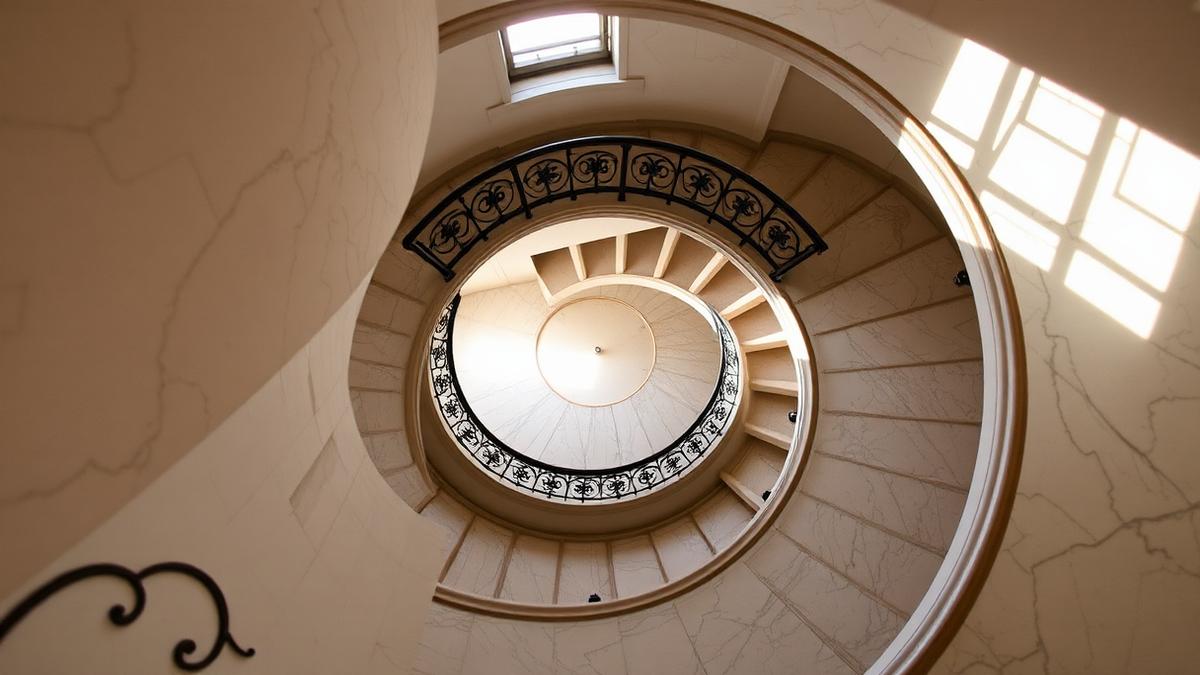
It is difficult to overstate how consciously Europe's great casinos were built as theatres. Charles Garnier, engaged in Monte Carlo shortly after completing the Paris Opera, brought his opera-house grammar with him: a marble atrium, a grand escalier, a series of salons scaled like foyers and stages, culminating in a private room where the drama takes place.

The Kurhaus at Baden-Baden inherits from a different lineage — the neo-classical Kursaal of the German spa, in which gambling was one leisure among several: baths, concerts, gardens. Charles Séchan's interior of 1855 is the seam where the two traditions meet, and it is why the Roter Saal feels simultaneously like a ballroom and a betting room.

Venice, older than either, uses none of this vocabulary. The Casinò di Venezia is a Renaissance palazzo, and the gaming rooms are simply the piano nobile — high-ceilinged, marble-floored spaces originally intended for receiving guests. The Renaissance idea of leisure was not staged. It was lived in.

Travel10 min read

A fourteen-day rail itinerary

The great houses of the continent were connected, in the age they were built for, by the sleeper trains — the Train Bleu, the Orient Express, the Nord Express. A version of that circuit is still possible, and, given the resurgence of European night trains since 2021, arguably easier now than it has been in thirty years.

The itinerary we recommend runs Paris — Deauville — Wiesbaden — Baden-Baden — Vienna — Venice — Milan — Monte Carlo — Cannes — Paris. Fourteen days is enough to sit at each table for a single evening; twenty-one is enough to actually see the buildings by daylight.

The essential rail passes are ÖBB Nightjet for the German and Austrian segments, Trenitalia's Frecciarossa Milano — Venezia, and the SNCF TGV south from Paris to Monte Carlo via Marseille. Book the sleeper berths six to eight weeks in advance. Book the tables on arrival; they are, in almost every case, still there.