






The unwritten rules of the salle privée
How to enter, how to sit, how to tip, and when to leave. A short field manual to European private salons.
Read articleAn editorial survey of Europe’s historic land-based casinos — from the marble halls of Monte Carlo to the black-forest retreats of Baden-Baden. Architecture, protocol and the choreography of an evening at the tables. No wagering, no promotions, no operator affiliations.
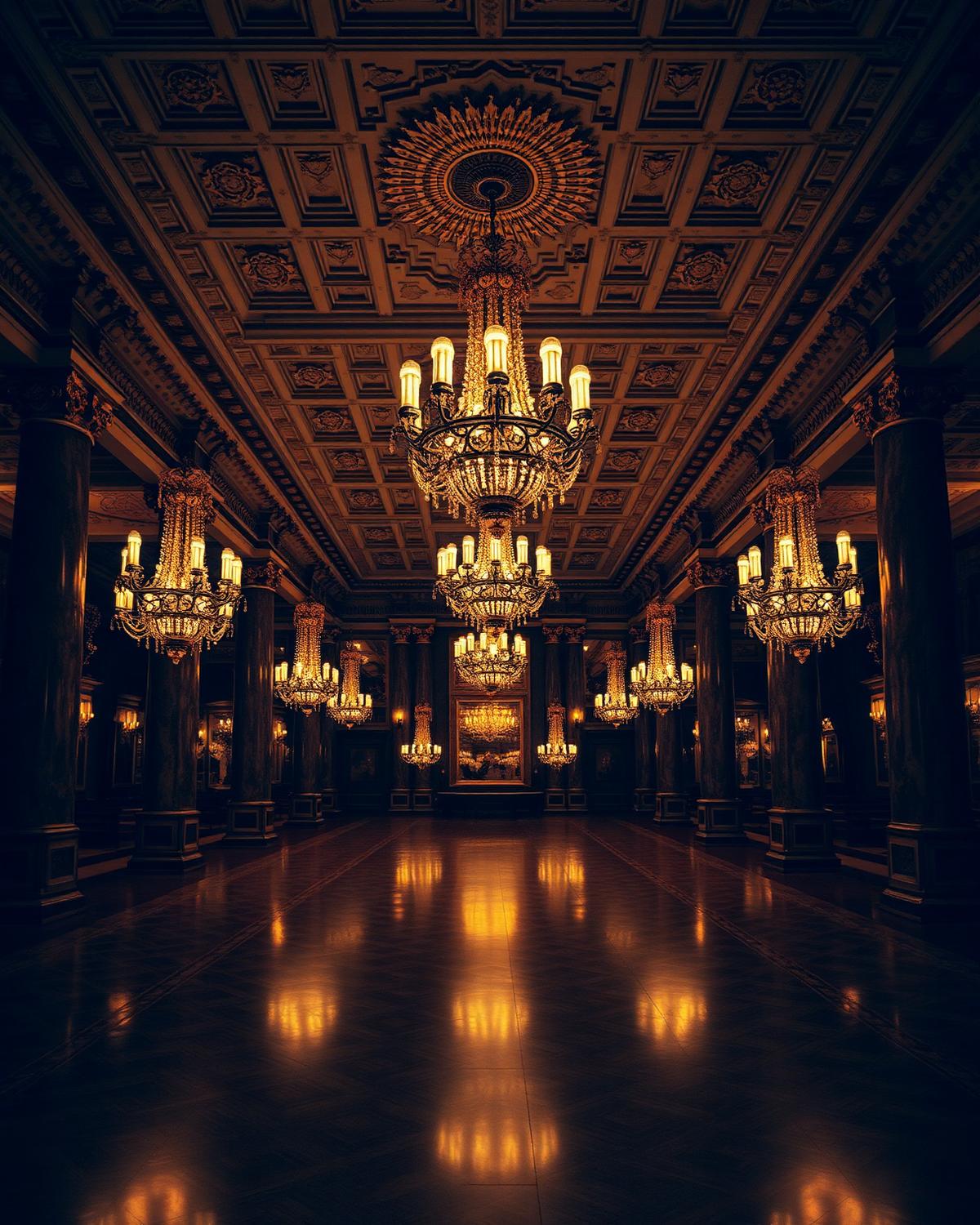
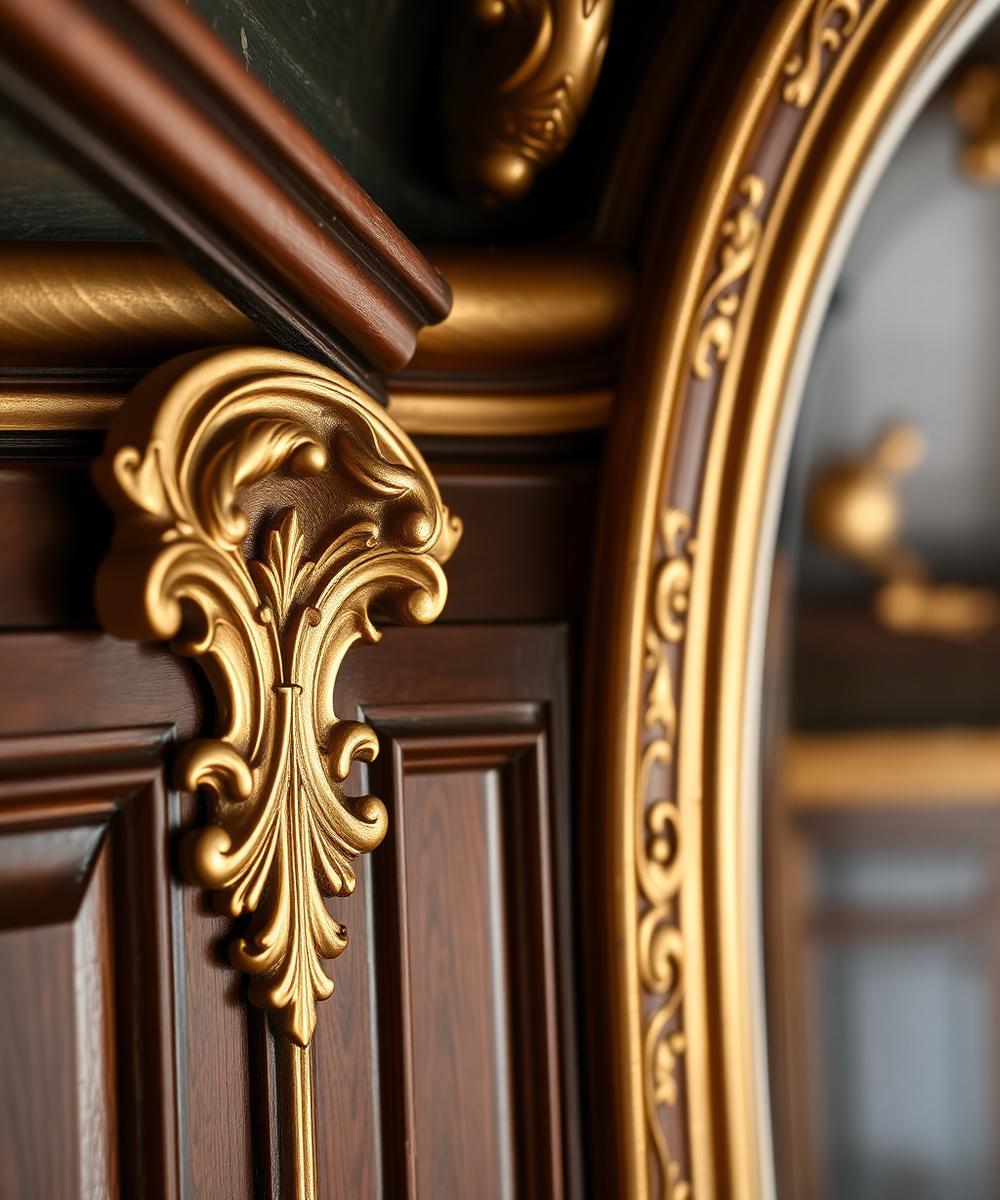
Commissioned in 1858 and opened in its present form in 1878, the Casino de Monte-Carlo is the work of Charles Garnier — architect of the Paris Opera — and of the interior painter Jules Chéret. The result is not a gaming hall so much as a small opera house that happens to contain tables.
The building reshaped the principality around it. Before the casino, Monaco was one of Europe’s poorest states; within a generation it had abolished direct taxation of its citizens and become a byword for Belle Époque leisure — a transformation almost entirely underwritten by the salle.
How to enter, how to sit, how to tip, and when to leave. A short field manual to European private salons.
Read article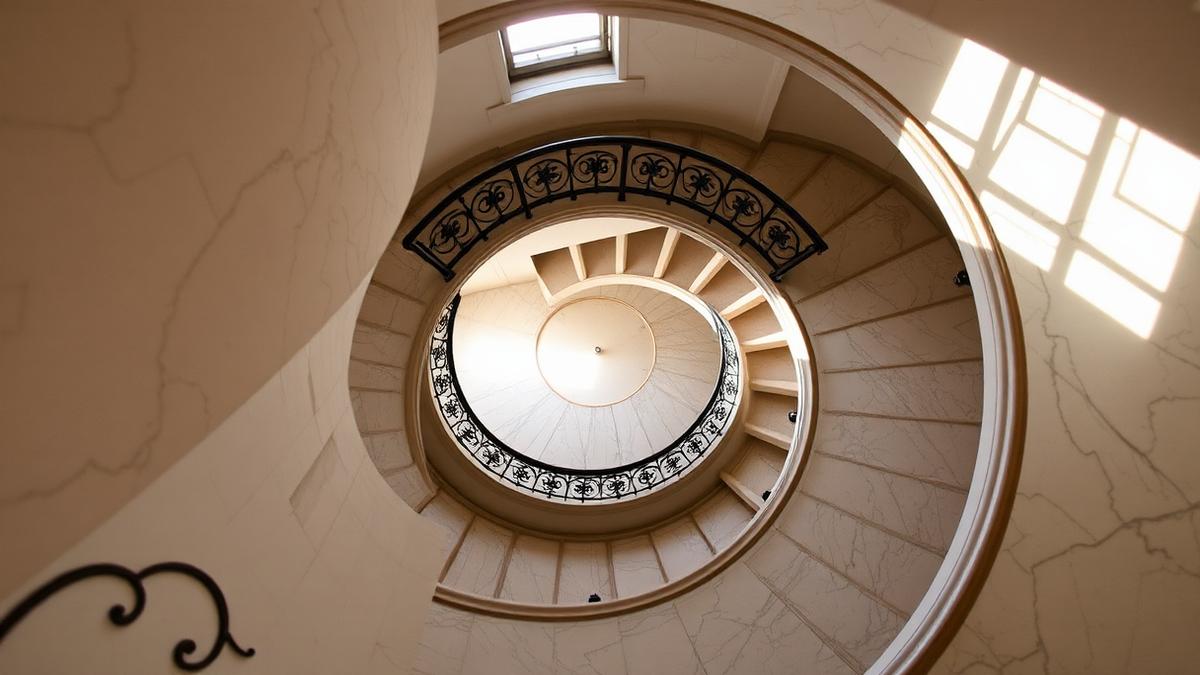
Neoclassical, Renaissance, Belle Époque: how three architectural languages defined gambling houses from Venice to Baden-Baden.
Read article
From Gare de Lyon to Wiesbaden and on to Venice — the great houses connected by sleeper trains, in the old manner.
Read articleMost are. The Casino de Monte-Carlo, Kurhaus Baden-Baden, Casinò di Venezia and Casino Estoril all admit visitors on presentation of a passport and a small entrance fee (typically €10–€25). Private salons and salles supérieures usually require additional identification, a higher minimum stake, or in some cases a nominated introduction.
During daytime hours most venues accept smart casual — collared shirt, closed shoes, no beachwear. From roughly 20:00 onward, jacket is expected in the grand salons of Monte Carlo, Baden-Baden and the Cercle Haussmann. Denim, sportswear and trainers are routinely turned away in the salle privée. Black tie is customary only for gala evenings.
As a rule, no. All licensed European casinos prohibit photography and mobile phone use at active tables, both to protect patron privacy and to preserve the integrity of the game. Many venues offer guided architectural or historical tours during off hours, and photography is generally welcome then.
We include venues on the basis of architectural, historical or cultural significance. We do not accept advertising, affiliate commissions, or paid placement from casino operators, and we do not link to online gambling of any kind. Editorial selections are made by the editors alone.